Every time a new lens lands on my desk for review, I find myself drawn back to the exact same test composition. In the late afternoon, when the light shifts and begins to stretch across the pavement, I head straight to a favorite outdoor cafe spot. It is a baseline setup that has become one of my favorites for lens testing because a single, layered composition throws every optical characteristic into sharp relief.
The scene offers a perfect gauntlet of challenges for any focal length. Take a small, detailed subject like a glass finial on an iron post in the foreground. Locking focus onto its intricate, painted surface immediately tells me everything I need to know about a lens's wide open micro contrast, center sharpness, and chromatic aberration. For the most part, I capture all of these test images completely wide open. My Leica M11 doesn’t actually record the exact aperture data accurately in the EXIF metadata, but the visual evidence speaks for itself. A dead giveaway of shooting wide open is the absence of any saw-tooth edges around the background light orbs, which would normally appear the moment the aperture blades begin to close down. Instead, you get the pure, uninhibited character of the optical design. A great lens resolves those fine foreground textures effortlessly, separating the subject from the world around it with distinct clarity.
Just past that plane of focus, the environment transforms into an ideal canvas for evaluating out of focus rendering, or bokeh. The deep background transitions into a soft mix of patio diners, warm indoor lights, and ambient signage. How a lens handles this transition is where its true personality shines, and it is where the engineering philosophies of different manufacturers become beautifully obvious.
A high performance Zeiss prime might deliver clinical perfection with razor sharp micro-contrast and punchy, dramatic isolation. A classic Leica lens often brings that legendary, smooth transition where the subject seamlessly pop out of a creamy background. Meanwhile, a Voigtlander lens might offer a completely unique, vintage rendering with a distinct character and swirling bokeh textures that feel deeply artistic rather than perfect. The string lights in the upper right offer a quick assessment of sagittal astigmatism and optical vignette, revealing whether the background bokeh highlights stay perfectly circular or stretch into classic cat eye shapes near the frame borders.
Testing different glass in the same spot under similar afternoon conditions removes the variables and lets the inherent character of the optics speak for itself. Whether I am analyzing the absolute clinical perfection of a modern high end prime ( Zeiss. My favorites so far ) or the classic, soulful character of a legacy design, this little testing routine provides me with a great petri dish. The images below will not be judged by me, instead, I am simply describing the gear they were shot with. This is an editorial designed for you to evaluate, compare, and judge the rendering for yourself, turning a routine bench test into an exercise in pure visual style.
I posted this image as a follow up to a review I did on the Zeiss 35 Distagon vs the Leica 35 Summilux FLE. I had recently stumbled onto a great deal for a Summilux 35mm FLE, and I’ll admit, it was tempting. Really tempting. But before pulling the trigger, I took the Distagon out for a walk today and snapped a few frames around town. That was all it took to remind me why I love this lens and will never find a replacement for it.
Read the review here https://www.purerangefinder.com/blog/9/zeiss-35mm-f14-zm-vs-leica-summilux-fle-why-the-distagon-still-wins-on-the-m11
A different subject all together. I though I would throw the following two in here.
In the end, there is no single right answer when it comes to optical rendering, only the look that makes you want to pick up your camera and shoot. Some photographers crave the clinical, predictable perfection of a modern design, while others hunt down the unique imperfections and vintage charm that give an image character. Now that you’ve seen how these different formulas from Leica, Zeiss, and Voigtlander interpret the same scene under similar lighting conditions, the choice is yours.
Drop a comment below and let me know which rendering style caught your eye, or which lens you find yourself leaning toward for your own creative work.
Use formatting shortcuts: [b]bold[/b], [i]italics[/i], [quote]quote[/quote], or [url=https://site.com]links[/url]. Paste a direct photo URL (.jpg, .png, .webp) or video link to embed it instantly.
Post
Reset/Cancel
Get your store banner on LeicaImages.com Send us an email to support@leicaimages.com
Follow @leicaimages
Daily community photo highlights, serial registry alerts, and site updates.
Support LeicaImages.com — Our community is free for everyone. If you value what we do, you can help cover our server and development costs with a small one time or monthly donation.


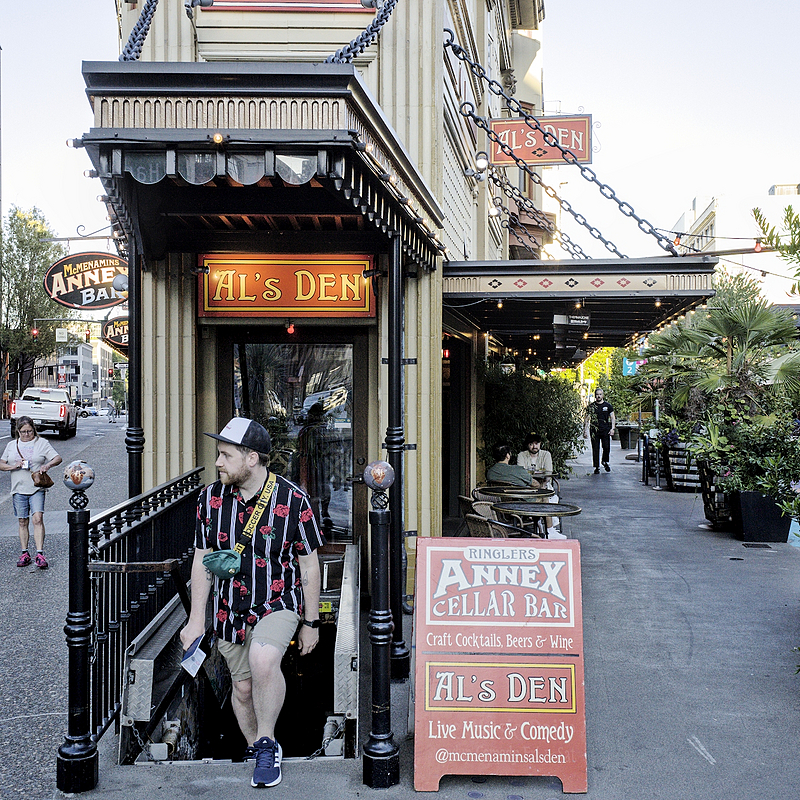


Zeiss 35mm 1.4 Distagon ZM
In the end, there is no single right answer when it comes to optical rendering, only the look that makes you want to pick up your camera and shoot. Some photographers crave the clinical, predictable perfection of a modern design, while others hunt down the unique imperfections and vintage charm that give an image character. Now that you’ve seen how these different formulas from Leica, Zeiss, and Voigtlander interpret the same scene under similar lighting conditions, the choice is yours.
Drop a comment below and let me know which rendering style caught your eye, or which lens you find yourself leaning toward for your own creative work.